
NCR Aloha POS: Still Relevant for Restaurants in 2026?
Aloha is one of the most searched restaurant POS names because thousands of full-service locations still run it—often on legacy on-premise servers. The question in 2026 is not whether Aloha works, but whether you should migrate or modernize in place.
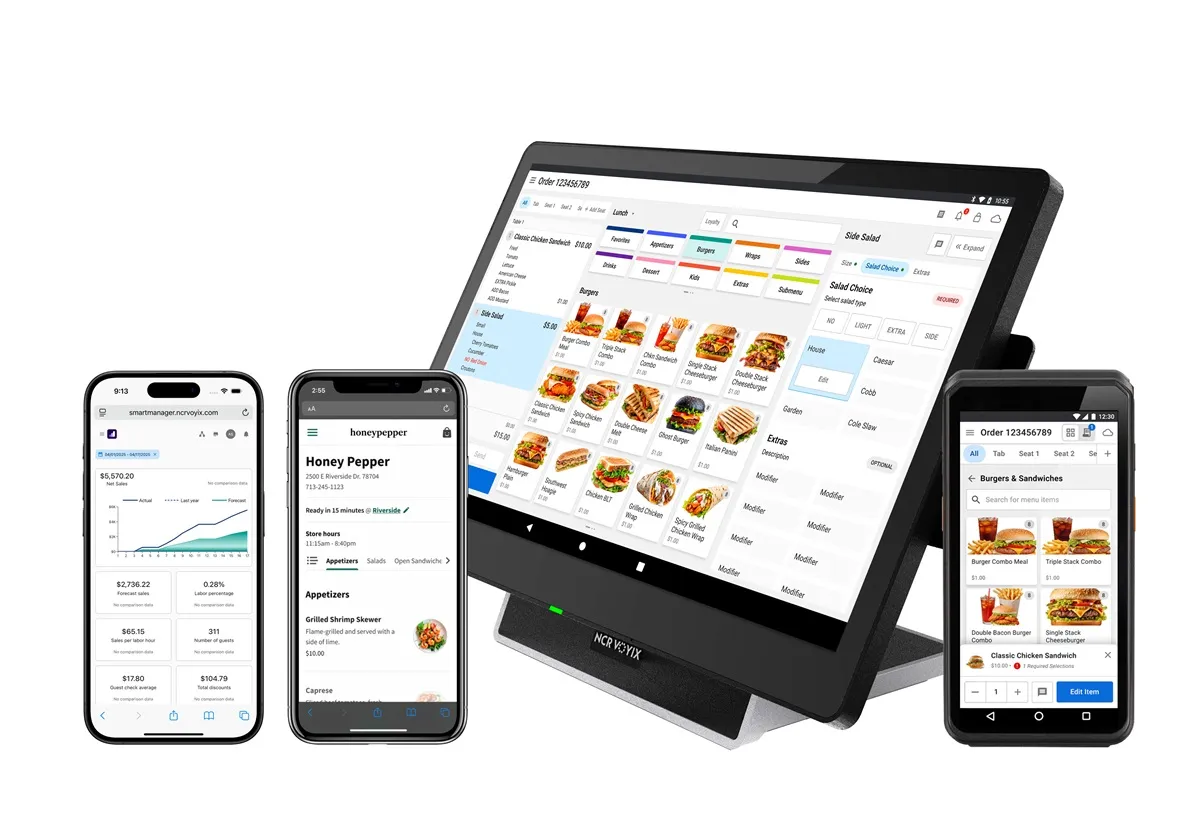
NCR Aloha built dominance in full-service chains and independents over decades. Older deployments run on local servers with thick-client terminals; newer paths include cloud-connected offerings under the NCR umbrella. Merchants search "Aloha POS support," "replace Aloha," and "Aloha vs Toast" when hardware ages, Windows servers fail, or processing bundles get expensive.
Why restaurants still run Aloha
- Staff muscle memory on deeply customized menus and workflows.
- Drive-thru, bar, and fine-dining configurations tuned over years.
- Integrations with legacy loyalty, gift card, and kitchen systems.
- Multi-unit reporting familiar to regional ops teams.
- Capital investment already sunk in hardware and training.
Pain points that trigger searches for alternatives
Server crashes during rush. Expensive break-fix support. Difficulty adding online ordering without bolt-on chaos. Processing rates locked in old acquiring bundles. Younger staff expecting iPad-simple UX. Each pushes owners toward Toast, SkyTab, Clover, or TouchBistro—but migration is a project, not a weekend.
Migration planning if you leave Aloha
Export menu, modifier, and employee data while legacy system is healthy. Run parallel testing on one station or one daypart before full cutover. Map gift card liabilities and open tabs across the switch weekend. Budget training for servers who only knew Aloha function keys. Croft supports restaurant migrations with processing cutover timed to POS go-live so deposits do not split across two merchants mid-week.
Croft Business Solutions helps with restaurant POS migration off legacy Aloha, processing cutover, and modern hardware programs. We explain options in plain language, review statements when useful, and stay one call away, not a ticket queue.
Aloha remains relevant where it still runs reliably and economics are acceptable. When search intent shifts to "replace Aloha POS," answer with a migration plan—not nostalgia. The best modern system is the one your team can run on Monday, not the one with the flashiest demo.
Who NCR Aloha is best for
Merchants searching for NCR Aloha usually care about a specific workflow—inventory sync, table service, field sales, or bundled marketing—not generic "best POS" lists. Aloha for enterprise restaurant ops; smaller independents often start with Toast or TouchBistro. Demo with your rush-hour scenario and your top twenty SKUs before you commit.
Processing and effective rate
POS software fees are only half the contract. Bundled processing can hide markup behind "simple" pricing. Pull effective rate from statements: total fees divided by card sales. If you are quoted bundled rates, ask what happens when card mix shifts toward rewards or commercial cards.
- Ask whether you can use a third-party processor or must stay on the default integration.
- Confirm deposit timing for tips, batches, and holidays.
- Verify chargeback and retrieval support—not all POS vendors handle disputes the same way.
- Plan hardware replacement costs: readers, printers, and handhelds over three years.
How to audit your processing costs
Pull your last three months of statements and calculate effective rate: total fees the processor kept divided by total card sales. List every monthly line item—PCI, gateway, statement, regulatory—and note downgrades on keyed or chip-fallback transactions. That single exercise beats comparing teaser qualified rates from sales brochures.
- Compare effective rate month over month; spikes often follow rate changes or card-mix shifts.
- Separate interchange (wholesale) from markup if you are on interchange-plus.
- Count keyed versus chip-present volume; keyed and MOTO categories cost more.
- Verify batch close times—open batches can delay funding or cause reconciliation gaps.
Our guide on reading your merchant statement walks through each section. If numbers still do not reconcile, upload statements for a Croft review before you renew or switch.
Croft Business Solutions helps with POS selection, hardware programs, and processing that matches your volume. We explain options in plain language, review statements when useful, and stay one call away, not a ticket queue.
Croft Business Solutions boards merchants nationwide with interchange-plus pricing, dual pricing and compliant cost-recovery programs, free POS placement for qualified businesses, and hands-on support on the Gulf Coast and throughout North Georgia. Start with a free statement audit or instant quote if you know your monthly volume.
Why this matters for your bottom line
Card processing is not a fixed utility bill. Effective rate—total fees divided by card sales—shifts with card mix, ticket size, and whether staff consistently use chip and contactless. Merchants who audit statements quarterly catch drift before renewal season; those who only compare teaser qualified rates often overpay for years.
Practical next steps
- Calculate effective rate from your last three statements.
- List monthly fixed fees: PCI, gateway, software, equipment.
- Note keyed vs chip-present volume and any downgrades.
- Compare your program to interchange-plus transparency.
- Request a free statement audit before you renew.
How Croft helps
Croft Business Solutions partners with Omega Bank Card Services to offer interchange-plus pricing, compliant dual pricing, free POS placement for qualified merchants, Clover and countertop terminals, and gateways for omnichannel sales. We explain programs in plain language and stay reachable after onboarding—not a ticket queue.
Pull your last three months of statements and calculate effective rate: total fees the processor kept divided by total card sales. List every monthly line item—PCI, gateway, statement, regulatory—and note downgrades on keyed or chip-fallback transactions. That single exercise beats comparing teaser qualified rates from sales brochures.
- Compare effective rate month over month; spikes often follow rate changes or card-mix shifts.
- Separate interchange (wholesale) from markup if you are on interchange-plus.
- Count keyed versus chip-present volume; keyed and MOTO categories cost more.
- Verify batch close times—open batches can delay funding or cause reconciliation gaps.
Our guide on reading your merchant statement walks through each section. If numbers still do not reconcile, upload statements for a Croft review before you renew or switch.
Croft Business Solutions helps with transparent processing, POS placement, and statement reviews. We explain options in plain language, review statements when useful, and stay one call away, not a ticket queue.
Croft Business Solutions boards merchants nationwide with interchange-plus pricing, dual pricing and compliant cost-recovery programs, free POS placement for qualified businesses, and hands-on support on the Gulf Coast and throughout North Georgia. Start with a free statement audit or instant quote if you know your monthly volume.
Search rankings follow useful, specific content—but your business wins when checkout is reliable and fees are auditable. Use this guide as a checklist, then talk to a partner who will show the math.
Frequently asked questions
- Can I keep my processor if I change POS?
- Sometimes. Compatibility depends on POS, gateway, and sponsor bank. Share your current stack when requesting a quote so migration is planned—not guessed.
- Is free POS hardware really free?
- Often it is subsidized through processing commitment. Compare effective rate over 36 months against buying hardware outright with interchange-plus pricing.
- How do I compare processors fairly?
- Use effective rate on your actual statements, include all monthly fees, and compare funding speed and support—not brochure qualified rates.
- Does Croft work with my existing POS?
- Often yes, depending on POS and gateway. Share your current stack when requesting a quote so integration and migration are planned upfront.
Related reads
POS systems
TouchBistro POS: Restaurant Guide to Features, Pricing, and Fit
TouchBistro POS for restaurants: table service, bar tabs, iPad hardware, pricing, and how TouchBistro compares to Toast and Clover for independent eateries.
POS systems
Cloud-Based vs. Legacy POS Systems: What's the Real Difference?
Cloud vs. legacy POS explained for small business: uptime, updates, offline mode, data ownership, and when an on-premise system still makes sense.
POS systems
What Happens to Your Sales Data If Your POS Goes Down?
POS outage playbook for small business: offline mode, queued payments, backup checkout, data sync risks, and how to protect sales records when systems fail.
Want a second opinion on your statement?
We review what you pay today, line by line, and show how transparent pricing compares, no obligation to switch.