
Cloud-Based vs. Legacy POS Systems: What's the Real Difference?
“Cloud” and “legacy” get tossed around in sales decks, but the practical difference is where your data lives, how updates ship, and what happens when the internet flickers during dinner rush.
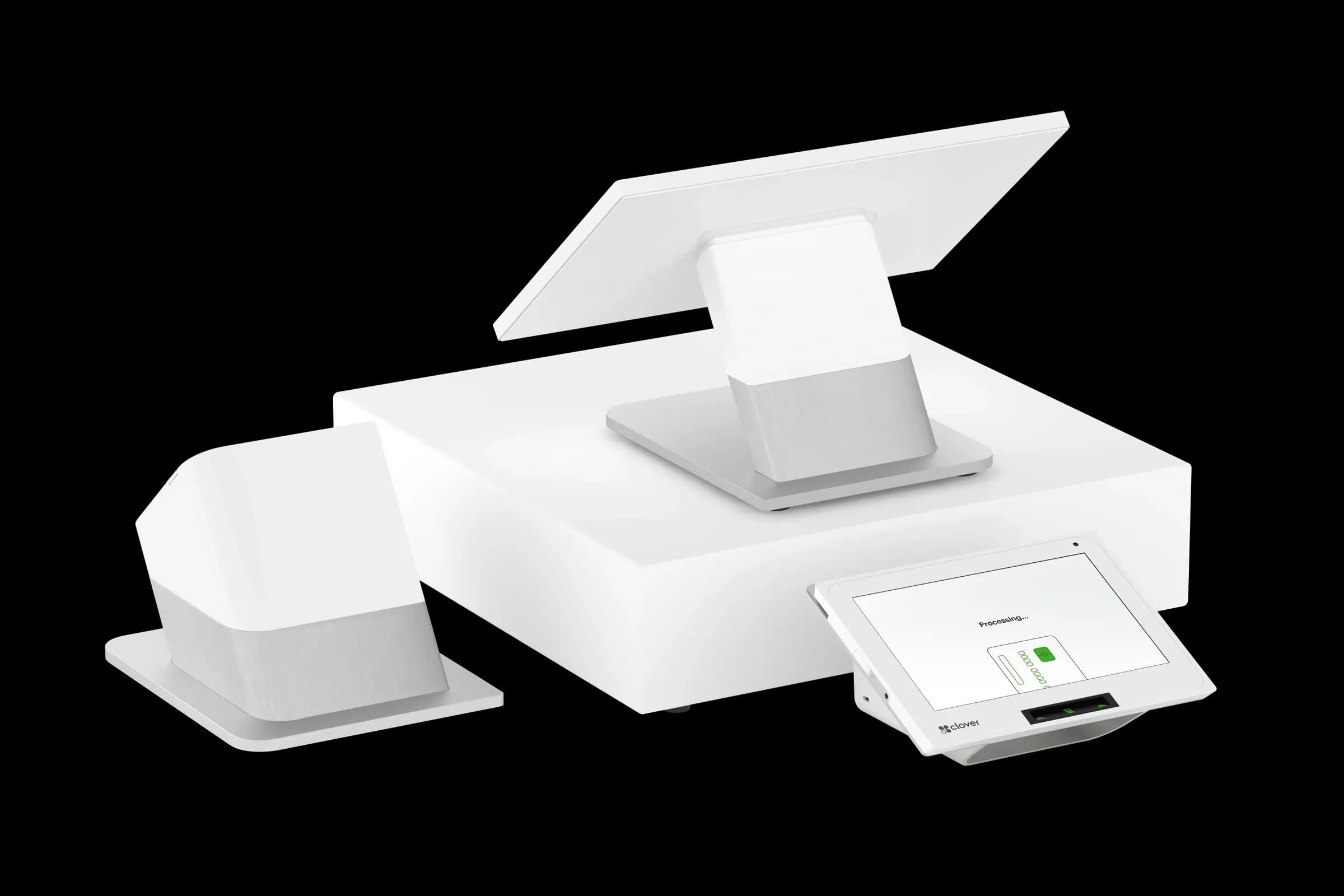
Cloud POS systems run on tablets or terminals that sync to remote servers. Menus, prices, and reports update centrally—great for multi-location brands and owners who check numbers from home. Legacy on-premise systems keep more logic on a local server in the back office; they can feel snappy on LAN and less dependent on ISP quality, but updates and remote visibility are harder.
Updates and security
Cloud vendors push security patches and feature changes on their schedule. That reduces PCI scope on your shoulders but means you adapt when screens move. Legacy systems may need a technician visit for upgrades—slower, but predictable if you dislike surprise UI changes.
Offline mode: read the fine print
Every cloud POS claims offline capability; not all handle long outages the same. Ask how many hours you can run without sync, whether card payments queue safely, and how conflicts resolve when connection returns. Restaurants with spotty rural internet should test offline during a live shift, not in a demo room.
- Cloud: easier remote management, faster rollout of new items, subscription pricing.
- Legacy: sometimes lower recurring fees, stronger local-only speed, higher hardware lock-in.
- Hybrid: local cache with cloud backup—common in modern restaurant platforms.
Data ownership and exports
Know how to export items, customers, and sales history before you commit. Cloud does not automatically mean portable; legacy does not automatically mean trapped. Your exit plan should be documented on day one.
Croft Business Solutions helps with choosing cloud or hybrid POS with processing and backup practices that match your connectivity. We explain options in plain language, review statements when useful, and stay one call away, not a ticket queue.
Which fits most small businesses today?
Most new deployments are cloud or hybrid because reporting, integrations, and support scale better. Legacy still appears in long-established venues with custom workflows—but migration pressure grows as payment standards and online ordering expectations change.
Pick based on uptime needs, location count, and who will admin the system—not based on which label sounds more modern in a brochure.
POS selection checklist
- List your five most common transactions and demo each on finalist systems.
- Export a sample catalog and customer file—migration pain shows up at go-live.
- Compare software, hardware, and processing as one effective cost picture.
- Confirm support hours match when you actually sell (nights, weekends).
- Read the data-export policy before you sign a multi-year agreement.
Pair POS with transparent processing
Croft works with Clover, Toast, countertop terminals, and gateways for omnichannel sales. The goal is one deposit timeline, auditable fees, and reports your accountant can reconcile—not a slick demo that falls apart at month-end.
How to audit your processing costs
Pull your last three months of statements and calculate effective rate: total fees the processor kept divided by total card sales. List every monthly line item—PCI, gateway, statement, regulatory—and note downgrades on keyed or chip-fallback transactions. That single exercise beats comparing teaser qualified rates from sales brochures.
- Compare effective rate month over month; spikes often follow rate changes or card-mix shifts.
- Separate interchange (wholesale) from markup if you are on interchange-plus.
- Count keyed versus chip-present volume; keyed and MOTO categories cost more.
- Verify batch close times—open batches can delay funding or cause reconciliation gaps.
Our guide on reading your merchant statement walks through each section. If numbers still do not reconcile, upload statements for a Croft review before you renew or switch.
Croft Business Solutions helps with POS selection, hardware programs, and processing that matches your volume. We explain options in plain language, review statements when useful, and stay one call away, not a ticket queue.
Croft Business Solutions boards merchants nationwide with interchange-plus pricing, dual pricing and compliant cost-recovery programs, free POS placement for qualified businesses, and hands-on support on the Gulf Coast and throughout North Georgia. Start with a free statement audit or instant quote if you know your monthly volume.
Why this matters for your bottom line
Card processing is not a fixed utility bill. Effective rate—total fees divided by card sales—shifts with card mix, ticket size, and whether staff consistently use chip and contactless. Merchants who audit statements quarterly catch drift before renewal season; those who only compare teaser qualified rates often overpay for years.
Practical next steps
- Calculate effective rate from your last three statements.
- List monthly fixed fees: PCI, gateway, software, equipment.
- Note keyed vs chip-present volume and any downgrades.
- Compare your program to interchange-plus transparency.
- Request a free statement audit before you renew.
How Croft helps
Croft Business Solutions partners with Omega Bank Card Services to offer interchange-plus pricing, compliant dual pricing, free POS placement for qualified merchants, Clover and countertop terminals, and gateways for omnichannel sales. We explain programs in plain language and stay reachable after onboarding—not a ticket queue.
Pull your last three months of statements and calculate effective rate: total fees the processor kept divided by total card sales. List every monthly line item—PCI, gateway, statement, regulatory—and note downgrades on keyed or chip-fallback transactions. That single exercise beats comparing teaser qualified rates from sales brochures.
- Compare effective rate month over month; spikes often follow rate changes or card-mix shifts.
- Separate interchange (wholesale) from markup if you are on interchange-plus.
- Count keyed versus chip-present volume; keyed and MOTO categories cost more.
- Verify batch close times—open batches can delay funding or cause reconciliation gaps.
Our guide on reading your merchant statement walks through each section. If numbers still do not reconcile, upload statements for a Croft review before you renew or switch.
Croft Business Solutions helps with transparent processing, POS placement, and statement reviews. We explain options in plain language, review statements when useful, and stay one call away, not a ticket queue.
Croft Business Solutions boards merchants nationwide with interchange-plus pricing, dual pricing and compliant cost-recovery programs, free POS placement for qualified businesses, and hands-on support on the Gulf Coast and throughout North Georgia. Start with a free statement audit or instant quote if you know your monthly volume.
Search rankings follow useful, specific content—but your business wins when checkout is reliable and fees are auditable. Use this guide as a checklist, then talk to a partner who will show the math.
Frequently asked questions
- Can I keep my processor if I change POS?
- Sometimes. Compatibility depends on POS, gateway, and sponsor bank. Share your current stack when requesting a quote so migration is planned—not guessed.
- Is free POS hardware really free?
- Often it is subsidized through processing commitment. Compare effective rate over 36 months against buying hardware outright with interchange-plus pricing.
- How do I compare processors fairly?
- Use effective rate on your actual statements, include all monthly fees, and compare funding speed and support—not brochure qualified rates.
- Does Croft work with my existing POS?
- Often yes, depending on POS and gateway. Share your current stack when requesting a quote so integration and migration are planned upfront.
Related reads
POS systems
What Happens to Your Sales Data If Your POS Goes Down?
POS outage playbook for small business: offline mode, queued payments, backup checkout, data sync risks, and how to protect sales records when systems fail.
POS systems
Choosing a POS System That Grows With Your Business
Pick a POS that scales: second locations, ecommerce, franchise reporting, permissions, and integration roadmaps so you do not outgrow your stack in year two.
POS systems
Clover vs. Square vs. Toast: Which POS Fits Your Business?
Compare Clover, Square, and Toast for small businesses: hardware, pricing, industry fit, and processing integration so you pick a POS that matches how you sell.
Want a second opinion on your statement?
We review what you pay today, line by line, and show how transparent pricing compares, no obligation to switch.