
Why Bundling Marketing and Payments Saves Restaurant Owners Time and Money
Most restaurants hire a processor, then a web freelancer, then a marketing agency, and none of them share data. Bundling payments and marketing through one partner cuts duplicate bills, finger-pointing, and the hours you spend forwarding logins between vendors.

Disconnected vendors optimize for their slice. Your processor cares about basis points. Your web person cares about launch day. Your SEO consultant cares about rankings. You care about full dining rooms. Bundling aligns incentives around outcomes owners actually measure.
One bill, one point of contact
Swipe & Grow from Croft Business Solutions packages custom website, local SEO, review management, social support, and POS placement with qualifying payment processing. There is no separate agency retainer on top of processing. For owners juggling five subscriptions, that simplification is real money and real sanity.
Shared data beats exported CSVs
When marketing and payments live in one relationship, your site can reflect current hours, menu, and ordering paths without a multi-vendor ticket. Review generation, Google Business Profile updates, and processing support pull from the same understanding of your business instead of conflicting stories.
- Faster fixes when checkout on the website breaks because one team owns both.
- Consistent branding from Google listing to pay link to receipt email.
- Less owner time spent as unpaid project manager between vendors.
Time is the hidden savings
Restaurant owners already work long weeks. Every hour on hold with a gateway, then emailing a web host, then chasing an SEO report is an hour not on the floor. Bundling does not magically run the restaurant, but it removes a whole category of coordination tax.
Croft Business Solutions helps with restaurant owners comparing separate processor-plus-agency stacks to Croft Swipe & Grow’s bundled payments, website, SEO, and marketing. We explain options in plain language, review statements when useful, and stay one call away, not a ticket queue.
When bundling makes sense
If you need enterprise custom apps or national ad buys, specialized agencies still have a role. If you need a dependable site, local findability, reviews, and fair processing without vendor sprawl, bundled programs like Swipe & Grow are built for that exact gap.
Restaurant processing pitfalls
- Keyed transactions when chip readers fail during rush—train backup procedures.
- Wrong MCC or descriptor causing chargebacks on bar tabs and catering.
- Tip adjustment errors that confuse payroll and reporting.
- Batch close timing that delays weekend deposits.
- Online ordering fees stacked on top of in-store processing.
POS and kitchen workflow
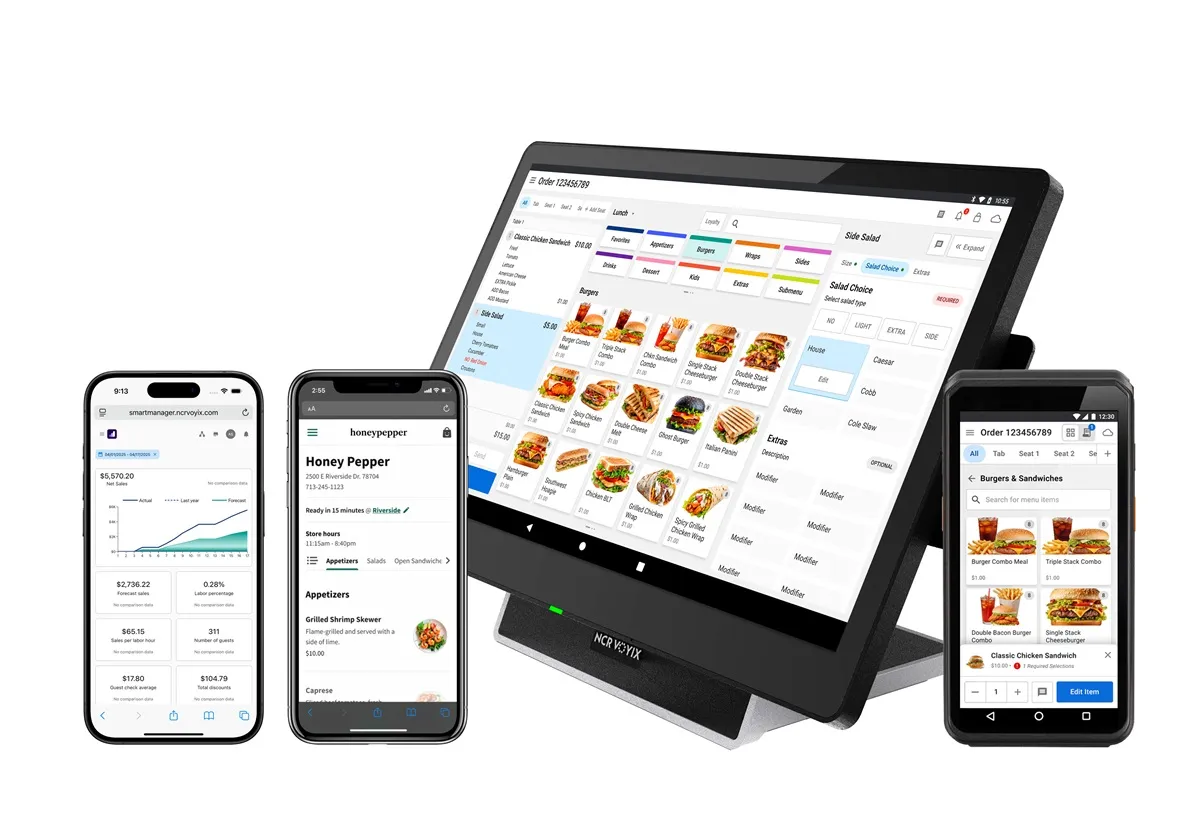
Table service lives on ticket timing: modifiers, coursing, kitchen displays, and bar tabs. Retail-first POS platforms struggle here. Compare Clover, Toast, and specialty systems with a Friday-night scenario—not a Tuesday lunch demo.
Programs that protect margin
Compliant dual pricing and cash-discount programs can offset interchange on thin-margin tickets when implemented correctly. Audit statements monthly; restaurant card mix skews toward rewards cards that cost more than debit-heavy retail.
How to audit your processing costs
Pull your last three months of statements and calculate effective rate: total fees the processor kept divided by total card sales. List every monthly line item—PCI, gateway, statement, regulatory—and note downgrades on keyed or chip-fallback transactions. That single exercise beats comparing teaser qualified rates from sales brochures.
- Compare effective rate month over month; spikes often follow rate changes or card-mix shifts.
- Separate interchange (wholesale) from markup if you are on interchange-plus.
- Count keyed versus chip-present volume; keyed and MOTO categories cost more.
- Verify batch close times—open batches can delay funding or cause reconciliation gaps.
Our guide on reading your merchant statement walks through each section. If numbers still do not reconcile, upload statements for a Croft review before you renew or switch.
Croft Business Solutions helps with restaurant POS, tip reporting, and transparent processing for full-service and QSR. We explain options in plain language, review statements when useful, and stay one call away, not a ticket queue.
Croft Business Solutions boards merchants nationwide with interchange-plus pricing, dual pricing and compliant cost-recovery programs, free POS placement for qualified businesses, and hands-on support on the Gulf Coast and throughout North Georgia. Start with a free statement audit or instant quote if you know your monthly volume.
Why this matters for your bottom line
Card processing is not a fixed utility bill. Effective rate—total fees divided by card sales—shifts with card mix, ticket size, and whether staff consistently use chip and contactless. Merchants who audit statements quarterly catch drift before renewal season; those who only compare teaser qualified rates often overpay for years.
Practical next steps
- Calculate effective rate from your last three statements.
- List monthly fixed fees: PCI, gateway, software, equipment.
- Note keyed vs chip-present volume and any downgrades.
- Compare your program to interchange-plus transparency.
- Request a free statement audit before you renew.
How Croft helps
Croft Business Solutions partners with Omega Bank Card Services to offer interchange-plus pricing, compliant dual pricing, free POS placement for qualified merchants, Clover and countertop terminals, and gateways for omnichannel sales. We explain programs in plain language and stay reachable after onboarding—not a ticket queue.
Pull your last three months of statements and calculate effective rate: total fees the processor kept divided by total card sales. List every monthly line item—PCI, gateway, statement, regulatory—and note downgrades on keyed or chip-fallback transactions. That single exercise beats comparing teaser qualified rates from sales brochures.
- Compare effective rate month over month; spikes often follow rate changes or card-mix shifts.
- Separate interchange (wholesale) from markup if you are on interchange-plus.
- Count keyed versus chip-present volume; keyed and MOTO categories cost more.
- Verify batch close times—open batches can delay funding or cause reconciliation gaps.
Our guide on reading your merchant statement walks through each section. If numbers still do not reconcile, upload statements for a Croft review before you renew or switch.
Croft Business Solutions helps with transparent processing, POS placement, and statement reviews. We explain options in plain language, review statements when useful, and stay one call away, not a ticket queue.
Croft Business Solutions boards merchants nationwide with interchange-plus pricing, dual pricing and compliant cost-recovery programs, free POS placement for qualified businesses, and hands-on support on the Gulf Coast and throughout North Georgia. Start with a free statement audit or instant quote if you know your monthly volume.
Search rankings follow useful, specific content—but your business wins when checkout is reliable and fees are auditable. Use this guide as a checklist, then talk to a partner who will show the math.
Frequently asked questions
- Toast or Clover for my restaurant?
- Toast for deep restaurant ops and multi-location; Clover for hybrid shops and strong app flexibility. Your service model—not brand ads—should decide.
- How do I compare processors fairly?
- Use effective rate on your actual statements, include all monthly fees, and compare funding speed and support—not brochure qualified rates.
- Does Croft work with my existing POS?
- Often yes, depending on POS and gateway. Share your current stack when requesting a quote so integration and migration are planned upfront.
Related reads
Swipe & Grow
Marketing a Restaurant on a Tight Budget: What Actually Works
Low-cost restaurant marketing that works: Google Business Profile, local SEO, reviews, email, and social proof, plus how Swipe & Grow bundles it with processing.
Swipe & Grow
How a Slow Website Is Costing Your Restaurant Reservations
Slow restaurant websites lose reservations and orders. Speed, mobile menus, Core Web Vitals, and how Swipe & Grow includes fast sites with processing.
Restaurant & food service
From Single Location to Multi-Location: Scaling Restaurant Payment Systems
Scale restaurant payment systems from one location to many: merchant ID strategy, centralized reporting, hardware standards, and avoiding processor sprawl.


Want a second opinion on your statement?
We review what you pay today, line by line, and show how transparent pricing compares, no obligation to switch.