
Tip Management Made Simple: A Restaurant Owner's Guide
Tips touch payroll, reporting, staff morale, and sometimes the law. When tip management lives in spreadsheets and verbal agreements, mistakes compound. A clear system, aligned with your POS and processor, saves hours and prevents disputes.

Tips arrive through cards, cash, delivery apps, and event deposits. Each path can report differently on your processor and POS. Owners who reconcile weekly instead of daily often discover mismatches only when a server asks why a payout looks short.
Define your pool before the busy season
Document who participates, how shifts weight payouts, and whether bartenders, bussers, and expo share. Verbal policies change when staff turns over. Written policies, reviewed with your accountant, reduce ambiguity and help new managers enforce the same rules.
Let the POS do the math
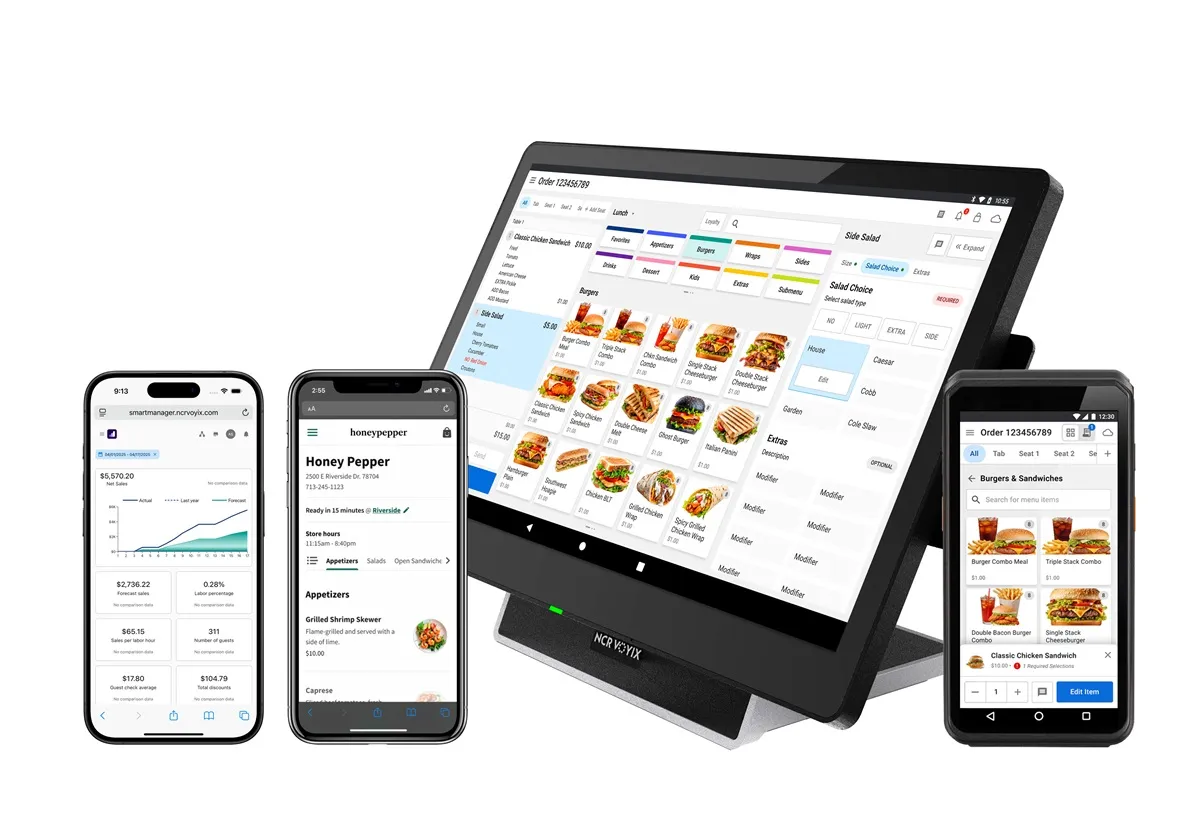
Modern restaurant POS systems track declared tips, pool splits, and payout reports. Manual calculator sessions at close are error-prone and slow. If your system supports tip suggestions, auto-gratuity for large parties, and house-fee transparency, use those features consistently rather than overriding on busy nights.
- Reconcile card tips to processor deposits before payroll cutoff.
- Separate auto-gratuity from voluntary tips where policy and law require it.
- Train managers on the same close-out checklist every shift.
Payout timing and cash flow
Paying tips daily versus weekly affects cash drawer balance and staff satisfaction. Card tips settle on processor timelines you do not control. Plan working capital so you are not fronting card tips from yesterday’s sales while waiting for deposit. Your processor should show tip amounts distinctly on deposits.
Croft Business Solutions helps with restaurant owners aligning POS tip reporting, processing deposits, and payout workflows. We explain options in plain language, review statements when useful, and stay one call away, not a ticket queue.
Multi-location consistency
If you run more than one store, tip policy and reporting should look the same everywhere. Centralized reporting from a cloud POS lets you compare locations and catch locations where tip capture drops, often a sign of training gaps or hardware issues at checkout.
Restaurant processing pitfalls
- Keyed transactions when chip readers fail during rush—train backup procedures.
- Wrong MCC or descriptor causing chargebacks on bar tabs and catering.
- Tip adjustment errors that confuse payroll and reporting.
- Batch close timing that delays weekend deposits.
- Online ordering fees stacked on top of in-store processing.
POS and kitchen workflow
Table service lives on ticket timing: modifiers, coursing, kitchen displays, and bar tabs. Retail-first POS platforms struggle here. Compare Clover, Toast, and specialty systems with a Friday-night scenario—not a Tuesday lunch demo.
Programs that protect margin
Compliant dual pricing and cash-discount programs can offset interchange on thin-margin tickets when implemented correctly. Audit statements monthly; restaurant card mix skews toward rewards cards that cost more than debit-heavy retail.
How to audit your processing costs
Pull your last three months of statements and calculate effective rate: total fees the processor kept divided by total card sales. List every monthly line item—PCI, gateway, statement, regulatory—and note downgrades on keyed or chip-fallback transactions. That single exercise beats comparing teaser qualified rates from sales brochures.
- Compare effective rate month over month; spikes often follow rate changes or card-mix shifts.
- Separate interchange (wholesale) from markup if you are on interchange-plus.
- Count keyed versus chip-present volume; keyed and MOTO categories cost more.
- Verify batch close times—open batches can delay funding or cause reconciliation gaps.
Our guide on reading your merchant statement walks through each section. If numbers still do not reconcile, upload statements for a Croft review before you renew or switch.
Croft Business Solutions helps with restaurant POS, tip reporting, and transparent processing for full-service and QSR. We explain options in plain language, review statements when useful, and stay one call away, not a ticket queue.
Croft Business Solutions boards merchants nationwide with interchange-plus pricing, dual pricing and compliant cost-recovery programs, free POS placement for qualified businesses, and hands-on support on the Gulf Coast and throughout North Georgia. Start with a free statement audit or instant quote if you know your monthly volume.
Why this matters for your bottom line
Card processing is not a fixed utility bill. Effective rate—total fees divided by card sales—shifts with card mix, ticket size, and whether staff consistently use chip and contactless. Merchants who audit statements quarterly catch drift before renewal season; those who only compare teaser qualified rates often overpay for years.
Practical next steps
- Calculate effective rate from your last three statements.
- List monthly fixed fees: PCI, gateway, software, equipment.
- Note keyed vs chip-present volume and any downgrades.
- Compare your program to interchange-plus transparency.
- Request a free statement audit before you renew.
How Croft helps
Croft Business Solutions partners with Omega Bank Card Services to offer interchange-plus pricing, compliant dual pricing, free POS placement for qualified merchants, Clover and countertop terminals, and gateways for omnichannel sales. We explain programs in plain language and stay reachable after onboarding—not a ticket queue.
Pull your last three months of statements and calculate effective rate: total fees the processor kept divided by total card sales. List every monthly line item—PCI, gateway, statement, regulatory—and note downgrades on keyed or chip-fallback transactions. That single exercise beats comparing teaser qualified rates from sales brochures.
- Compare effective rate month over month; spikes often follow rate changes or card-mix shifts.
- Separate interchange (wholesale) from markup if you are on interchange-plus.
- Count keyed versus chip-present volume; keyed and MOTO categories cost more.
- Verify batch close times—open batches can delay funding or cause reconciliation gaps.
Our guide on reading your merchant statement walks through each section. If numbers still do not reconcile, upload statements for a Croft review before you renew or switch.
Croft Business Solutions helps with transparent processing, POS placement, and statement reviews. We explain options in plain language, review statements when useful, and stay one call away, not a ticket queue.
Croft Business Solutions boards merchants nationwide with interchange-plus pricing, dual pricing and compliant cost-recovery programs, free POS placement for qualified businesses, and hands-on support on the Gulf Coast and throughout North Georgia. Start with a free statement audit or instant quote if you know your monthly volume.
Search rankings follow useful, specific content—but your business wins when checkout is reliable and fees are auditable. Use this guide as a checklist, then talk to a partner who will show the math.
Frequently asked questions
- Toast or Clover for my restaurant?
- Toast for deep restaurant ops and multi-location; Clover for hybrid shops and strong app flexibility. Your service model—not brand ads—should decide.
- How do I compare processors fairly?
- Use effective rate on your actual statements, include all monthly fees, and compare funding speed and support—not brochure qualified rates.
- Does Croft work with my existing POS?
- Often yes, depending on POS and gateway. Share your current stack when requesting a quote so integration and migration are planned upfront.
Related reads
Restaurant & food service
Tableside Payment Tech: What's Worth the Investment for Restaurants
Tableside payment devices, handheld POS, and pay-at-table workflows: what full-service restaurants should invest in, what to skip, and how to measure ROI.
Restaurant & food service
How to Choose a POS System for a Multi-Location Restaurant
Choosing restaurant POS for multiple locations: centralized menus, reporting, permissions, payment integration, and rollout planning for growing groups.
Restaurant & food service
5 Signs Your Restaurant Is Losing Money on Payment Processing
Five warning signs your restaurant overpays for payment processing: rising effective rates, mystery fees, downgrades, support gaps, and contract traps.


Want a second opinion on your statement?
We review what you pay today, line by line, and show how transparent pricing compares, no obligation to switch.